Products & Services / Enterprise Resource Planning (ERP)
Enterprise Resource Planning (ERP)
In the era of Industry 4.0 and the post–COVID-19 period, implementing ERP is no longer a question of “whether,” but “when.”
ERP enables manufacturing enterprises to optimize resources and significantly improve operational efficiency.
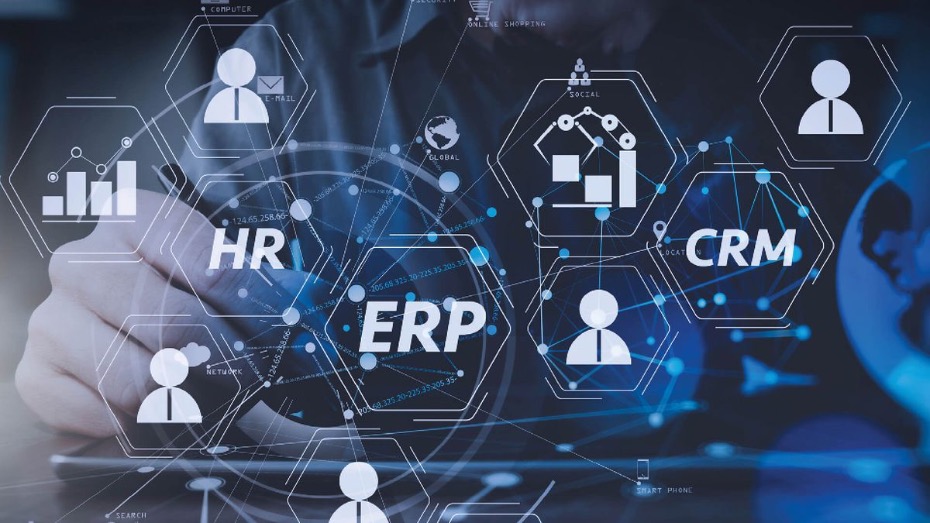
Enterprise Resource Planning (ERP) System
ERP (Enterprise Resource Planning) is an integrated software system designed to manage and coordinate an organization’s business and manufacturing operations. The core functions of an ERP system include financial management, inventory and logistics management, production management, human resource management, and supply chain and sales management.
Enterprise
The primary purpose of this system is to connect and synchronize workflows across departments, provide real-time updates of all essential information, enhance automation throughout enterprise operations, and minimize errors in business process execution.
Resource
ERP enables enterprises to fully leverage and optimize all resources—including financial, human, and technological resources—in the most effective way.
Planning
ERP supports enterprises in proactively developing production and business plans. The planning function defines strategic directions and enables enterprises to calculate, analyze, and forecast potential future scenarios and their impacts on subsequent operations.
Benefits of ERP Implementation
1. Comprehensive Production Process Management
Monitor and supervise manufacturing activities, track raw materials, and manage goods across multiple departments.
2. Cross-Department Connectivity
ERP connects departments across the organization, ensuring a consistent and integrated production workflow—from planning to equipment operations.
3. Reduced Operational Costs
By controlling resources and improving efficiency, ERP helps reduce manufacturing and operational costs.
4. Lean Manufacturing
Build efficient production processes, minimize waste, and enhance overall productivity.
5. Data Synchronization and Management
Easily store and classify data, enabling quick access to information and invoices.
6. Waste Reduction
Optimize material allocation to minimize surplus and prevent material shortages.